Cementitious Coating for Structural Steel
Certified Cementitious Coating that expand under heat to insulate structural steel — up to 240 minutes of fire resistance, applied by our certified crews to UAE Civil Defense standard.
Certified Cementitious Coating that expand under heat to insulate structural steel — up to 240 minutes of fire resistance, applied by our certified crews to UAE Civil Defense standard.
Approved


Mechanism
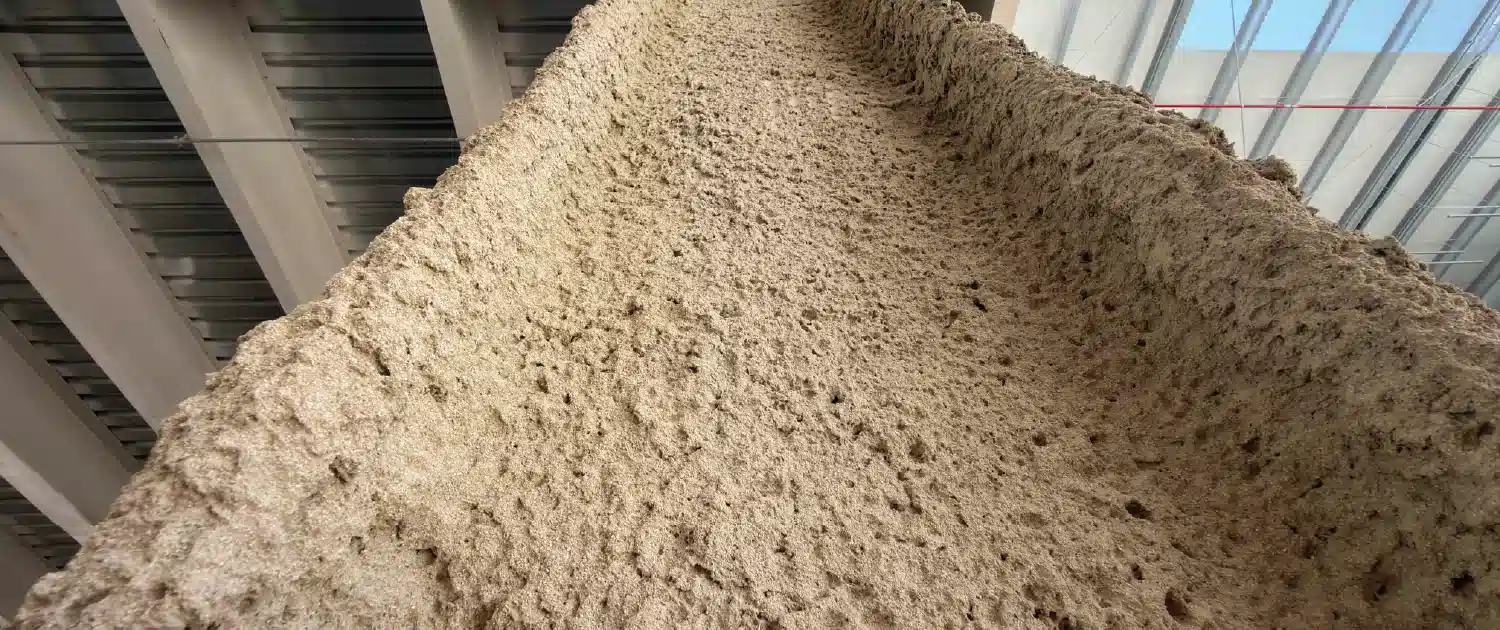
Cementitious fireproofing is a cement- or gypsum-based mortar sprayed onto structural steel. Unlike intumescent paint it does not react or expand — it protects by sheer thickness and very low thermal conductivity, holding the steel below the temperature at which it starts to lose strength.
Specification
| Fire rating | Typically required in | Relative applied thickness |
|---|---|---|
| 60minutes | Warehouses and single-storey industrial frames | Lowest |
| 90minutes | Multi-storey commercial buildings and car parks | Moderate |
| 120minutes | High-rise cores, hospitals and schools | High |
| 180minutes | Transfer structures and plant rooms | Very high |
| 240minutes | Petrochemical and engineered process structures | Maximum |
Thickness shown is relative, not a specification. Applied thickness is set by the section factor of each member and the critical steel temperature, read from the certified thickness schedule of the tested system — fire ratings come from ASTM E119 / UL 263 or EN 13381-4, not from the bond-strength tests. Send us your steel schedule and we will return the thickness per member.
Range
Thin-film coating that expands under heat to insulate steel and preserve its load-bearing strength, up to 120 minutes of fire resistance.
Durable spray-applied protection designed for columns, beams and heavy structural steel sections.
Fire-resistant barrier for cable trays that stops flame spread and keeps critical circuits running during an emergency.
Chemical treatment that slows combustion and preserves wood's natural look, with up to 60 minutes of added fire resistance.
Fast-curing, solvent-based intumescent system suited for exposed steel and demanding project timelines.
High-build epoxy intumescent system built for offshore, marine and heavy-duty industrial environments.
Chemical treatment for curtains, upholstery and soft furnishings to meet fire safety codes in commercial fit-outs.
Certified fireproofing paints, mortars and accessories supplied and applied to spec for steel, cable and timber protection projects.
On site
Each stage carries a hold point — work does not proceed until the previous stage is signed off. Thickness and density are recorded member by member and issued as an inspection report for Civil Defense submission.
Applications
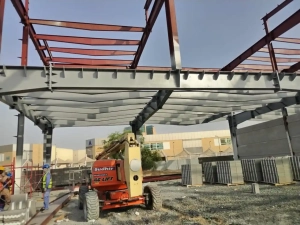
Cementitious fireproofing is used as passive fire protection on structural steel — beams, columns and connections — to delay structural collapse and hold escape routes open during a fire.
Cementitious fireproofing is the system of choice wherever structural steel needs a high fire rating and physical durability, and the finish will not be on show.
Portfolio
A record of steel protected, inspections passed, and deadlines met across the Emirates.
Why us
Manufacturer-trained crews using our own spray equipment. The people on your site are ours, not subcontracted labour.
Offices in Dubai, Abu Dhabi, Sharjah, Ras Al Khaimah and Umm Al Quwain — plus a Saudi operation, so we mobilise across the region without travel loading the price.
Dubai, Abu Dhabi and Sharjah Civil Defence, plus ADNOC, CMW, PGC and Tawazun. See our approvals
Dry film thickness recorded member by member, issued with material certificates and test reports, ready for authority submission.
 © Ibtikar Fire Proofing

 © Ibtikar Fire Proofing